Your Host
Hello, I’m Cara Helene!
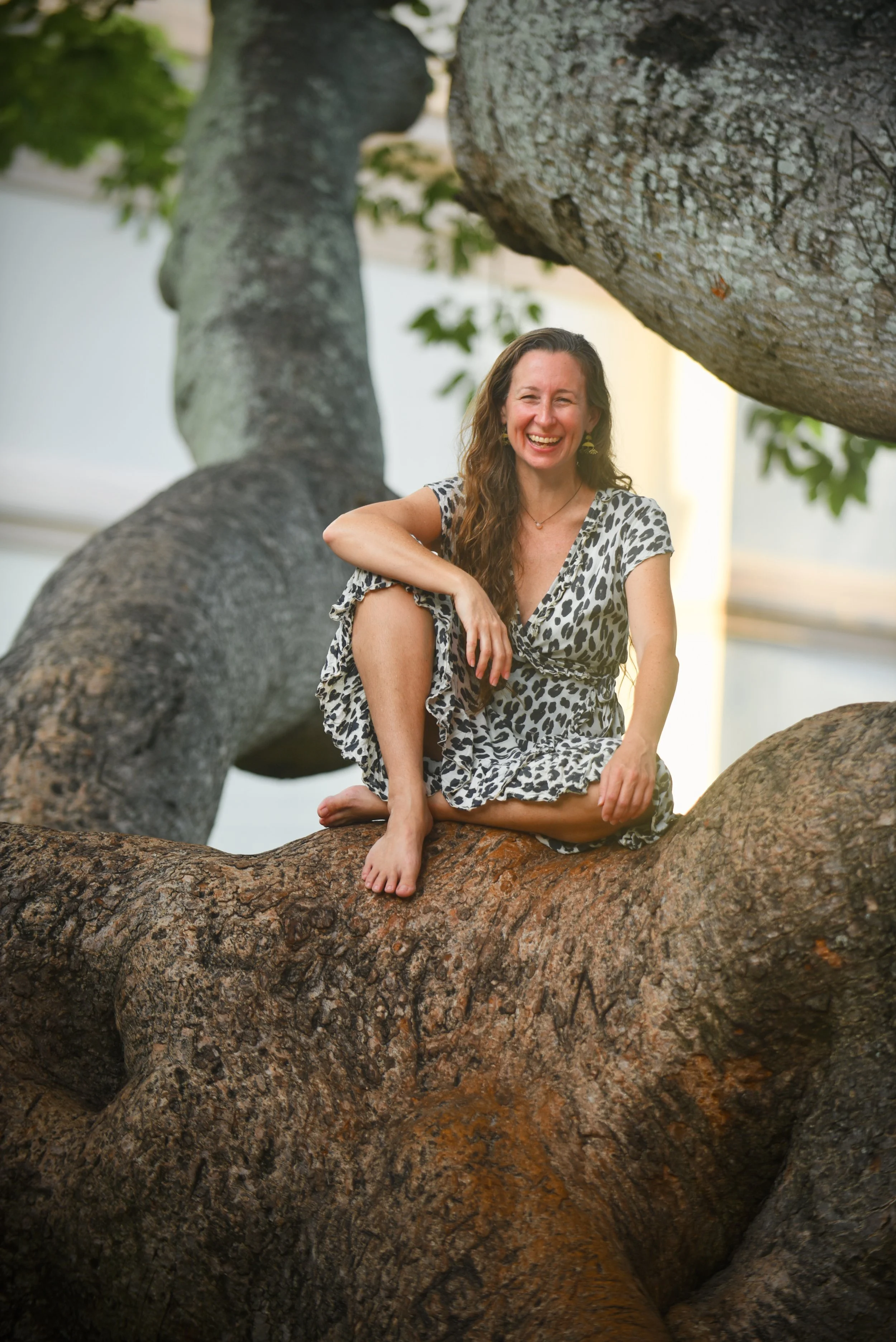
I am grateful to steward the Land called Laughing Tree Cove.
When people arrive at here, we begin by “shaking off the road dust.”
At Dirt Church, I ask: “What are you bringing with you today? What's on your heart?”
Someone might share a hard morning. Someone else might realize it's the first time all week they've slowed down enough to really see the trees.
We connect. We arrive. Then we connect with the Land and begin listening to her, too.
That simple practice - slowing down enough to notice, listen, and become curious about the relationships around us — is at the heart of how I teach.
A life of following curiosity
I've always been curious about how things work — how ecosystems regenerate, how people heal, how communities are sustained, and how life communicates through relationships.
That curiosity has taken me through a ridiculously winding path:
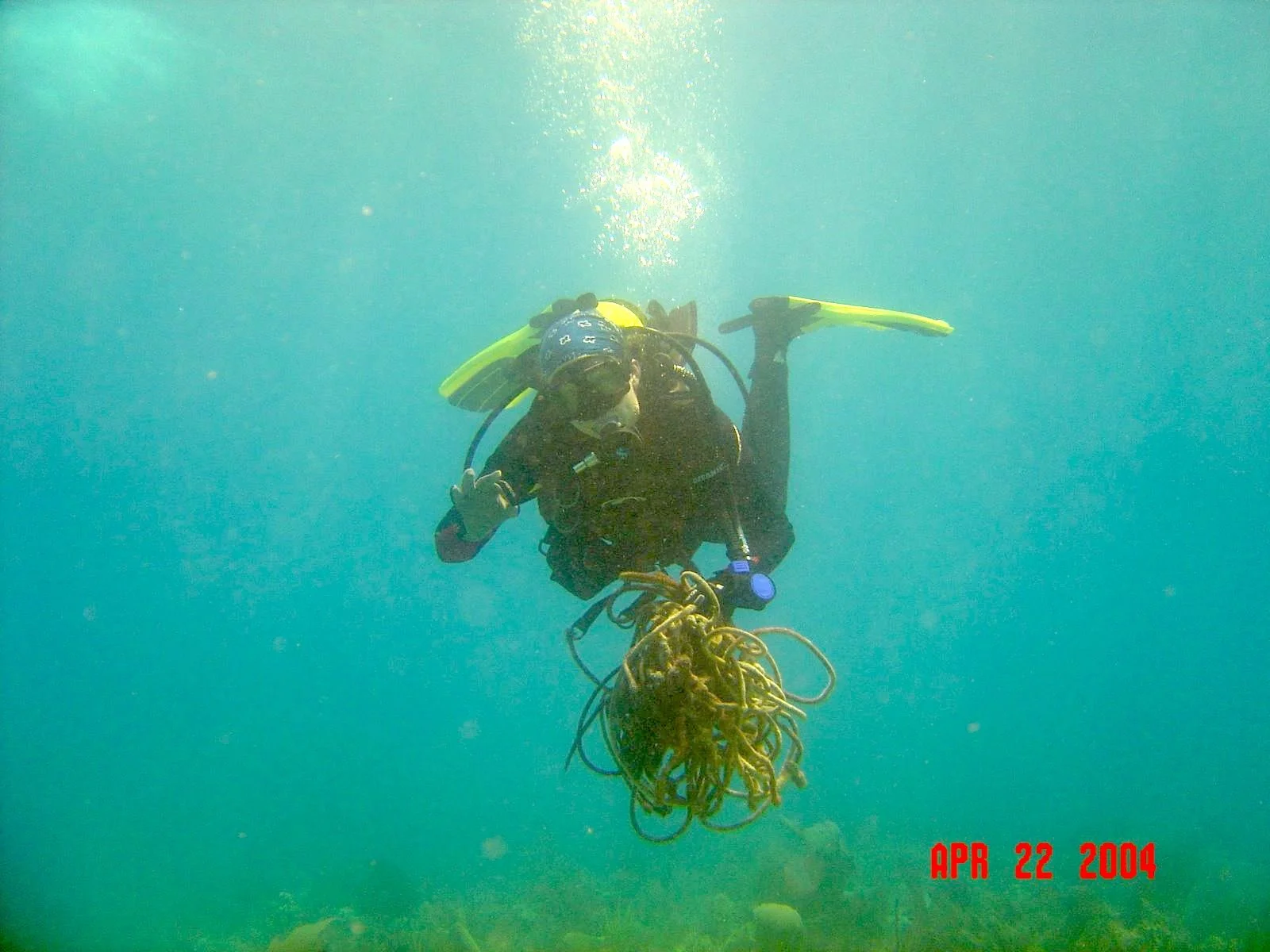
I spent five years as a Park Ranger in the backcountry of Everglades National Park, translating ecological science into something people could feel and understand.
I earned a master's degree in marine science and spent years working in environmental policy, including five years on Capitol Hill building coalitions to protect National Parks and coral reefs.
I wrote the Urban Homesteader column for edible Tampa Bay and led the Sustainable Urban Agriculture Coalition, teaching permaculture and sustainable living.
Along the way, I studied Western herbalism and Chinese medicine, nature connection mentoring, somatic practice, astrology, traditional ways of knowing, and holistic integrative creative arts therapy.
This journey continues to teach me the language of how life communicates with us through patterns and relationships.
My work is about reconnecting deeply enough to listen — to ourselves, to one another, and to the living world — and discovering what we can create from that place.
How I Teach
I believe the most important things we learn were meant to be learned in community.
We were meant to work with our hands, learning to: make things together, preserve food together, share meals, tell stories, solve problems, work with the Earth, and learn from one another.
Shared experience creates connection.
So community is part of the teaching itself. The relationships we form through shared work become part of what we're learning to tend.
And the practice extends beyond human relationships, into Kinship.
Can we listen to the birds? Notice what the trees are saying through the wind? Hear the changing voice of the creek? Become curious about what the plants, wildlife, weather, and Land are communicating?